Register ↓
National Supercomputing Centre (NSCC) Singapore
Thursday, 15 October 2026 · 9.00am - 5.00pm

The annual HPC Users Symposium brings together researchers, scientists, industry leaders and policymakers to explore how HPC is enabling the next generation of breakthroughs across disciplines.
Organised by

HPC Connects: Powering AI and Emerging Technologies for Scientific Discovery

Theme

HPC Connects:
Powering AI and Emerging Technologies for Scientific Discovery

As AI and emerging technologies continue to reshape the research landscape, high performance computing (HPC) remains the critical foundation that powers innovation and discovery. The symposium brings together researchers, scientists, industry leaders and policymakers to explore how HPC is enabling the next generation of breakthroughs across disciplines. Through inspiring talks, research showcases and networking opportunities, the symposium aims to foster knowledge exchange, spark new collaborations, strengthen the HPC community, and highlight the impact of advanced computing on Singapore’s research and innovation ecosystem.
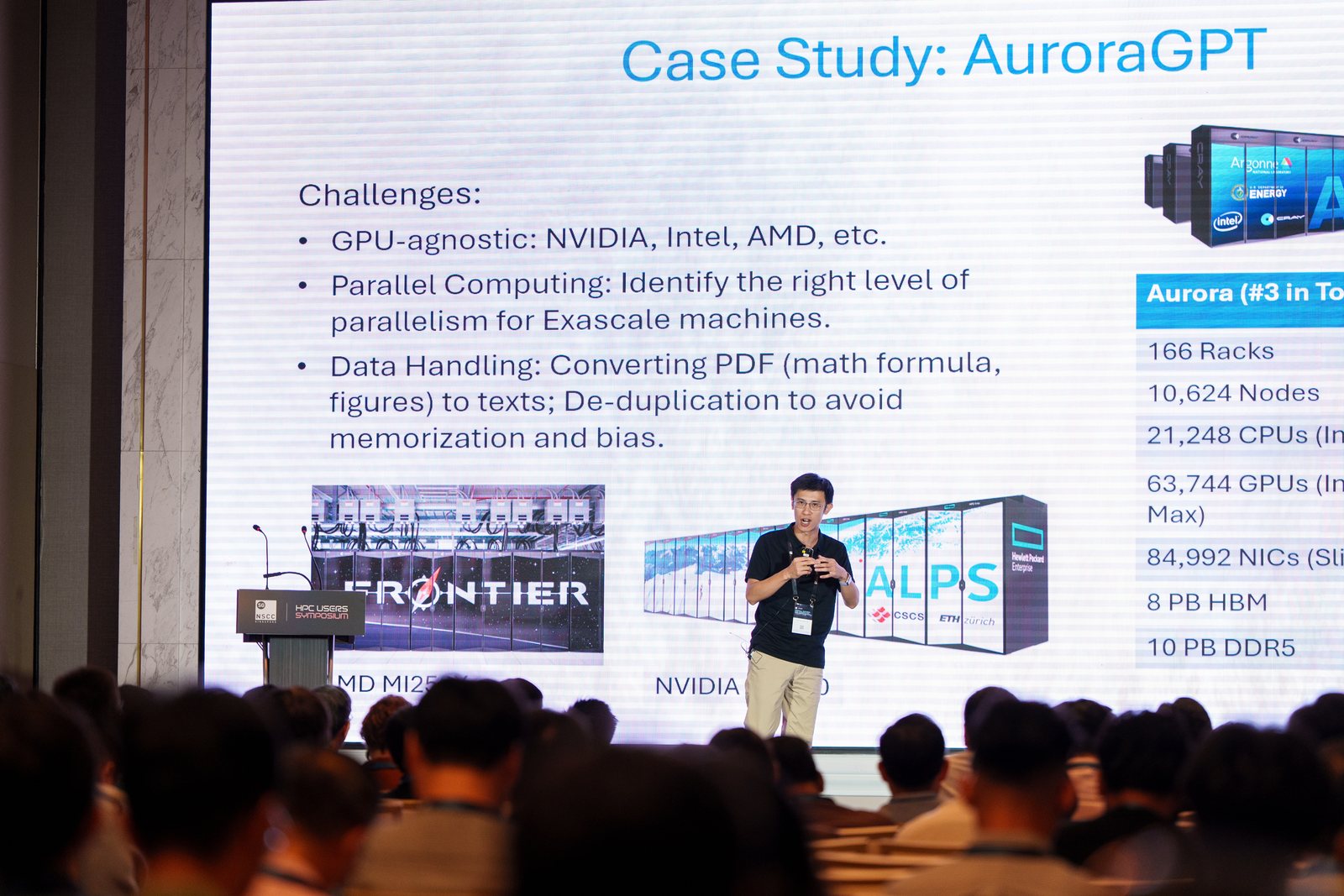
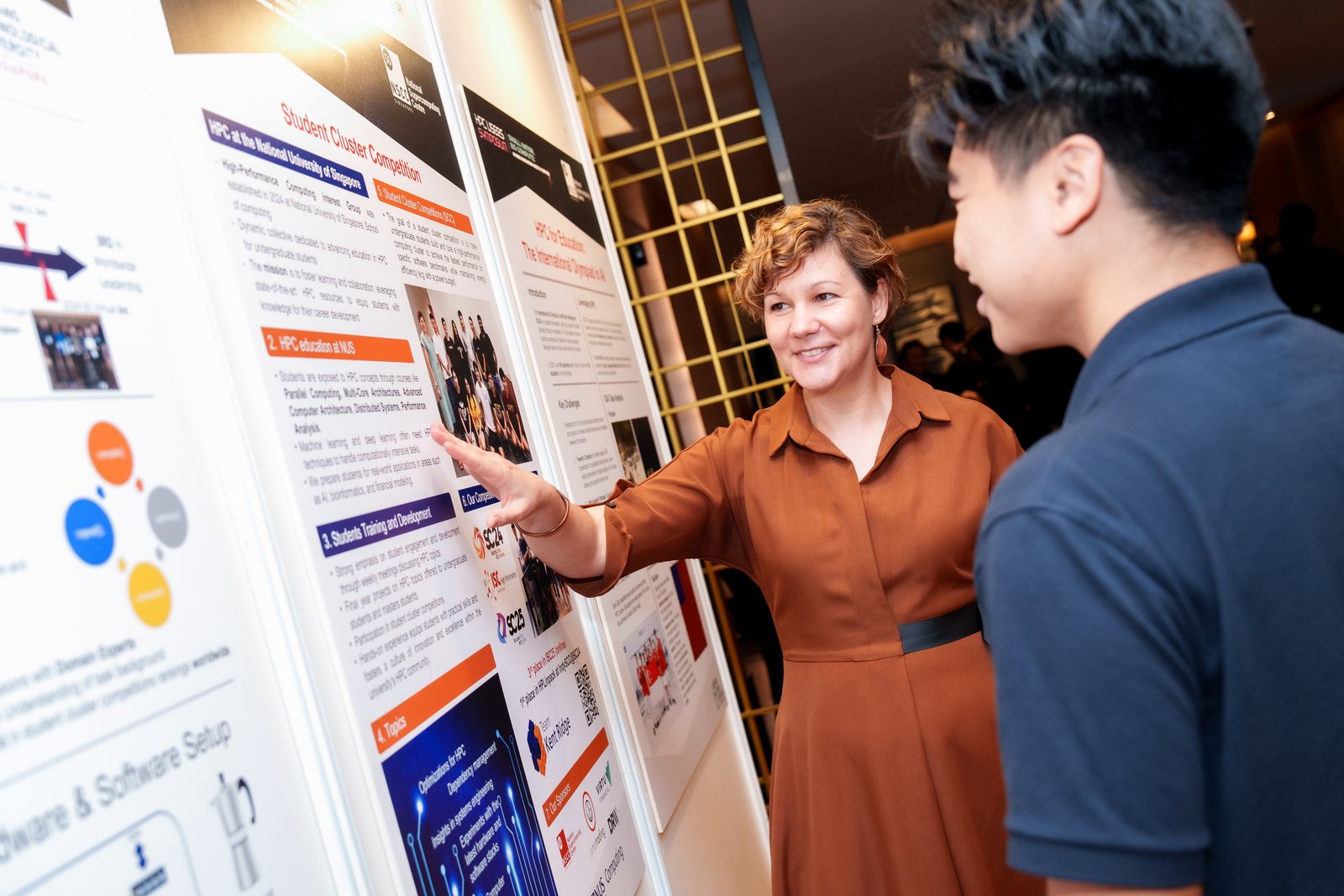
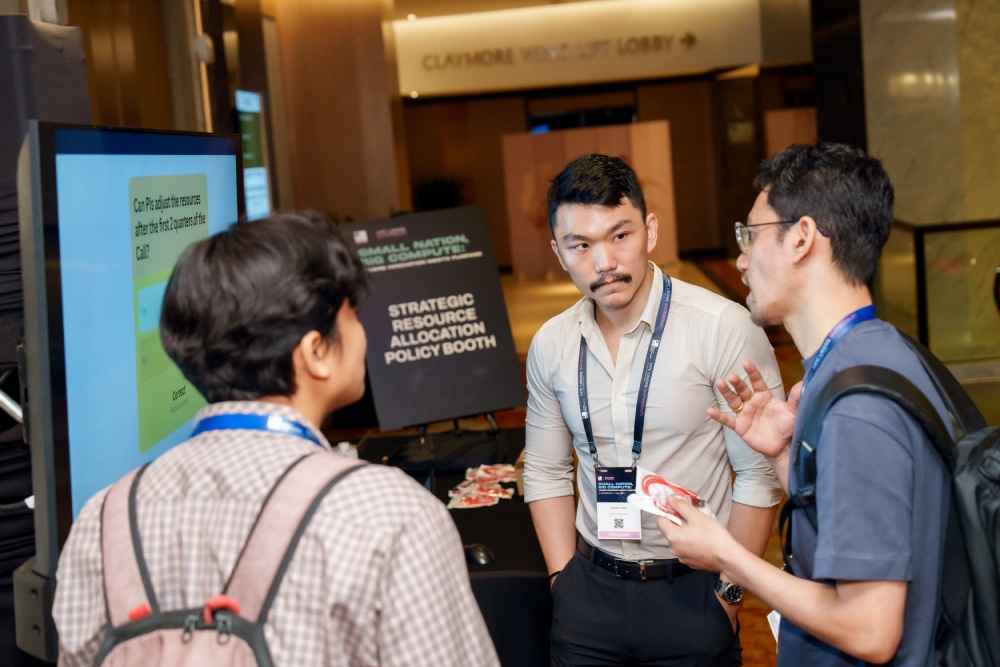
A speaker presenting at the 2025 Singapore HPC Users Symposium

Programme

15 October 2026 9.00am – 5.00pm

  1. Registration and Morning Tea
    9.00am – 9.30am · 30min
  2. 9.30am – 9.45am · 15min
    Welcome Address and Key Announcement
  3. 9.45am – 10.25am · 40minKeynote 1
    HPC in Transition: From Scaling Limits to Integrated Heterogeneous Ecosystems
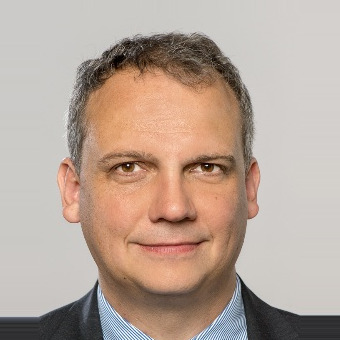
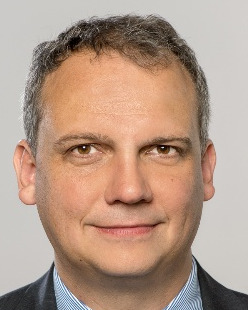
    Professor Martin Schulz
    Full Professor and Chair of Computer Architecture and Parallel Systems, Technical University of Munich (TUM)
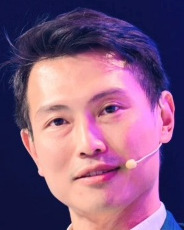
  4. 10.25am – 11.05am · 40minKeynote 2
    Gen AI in Health: Latest Trend in 2026
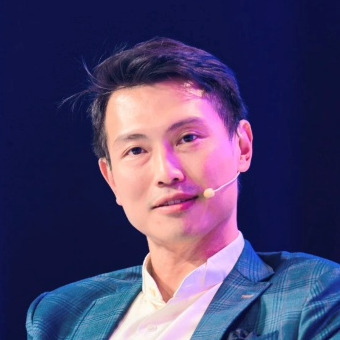
    Associate Professor Daniel Ting MD PhD
    Senior Consultant, Surgical Retina, Singapore National Eye Centre (SNEC)
    Associate Professor, Duke-NUS Medical School, Singapore
    Director (Designate), AI Program, SingHealth
    Head, AI and Digital Innovation, Singapore Eye Research Institute
    Chief Data & Digital Officer, SNEC
  5. 11.05am – 11.40am · 35min
    Panel Discussion
  6. 11.40am-12pm · 20min
    NSCCxNVIDIA Hackathon Winners Presentation
    NSCC NVIDIA
  7. Lunch & Poster Showcase
    12pm – 1pm · 60min
  8. Tea Break & Networking
    3pm – 3.30pm · 30min
Keynotes

Two keynotes to open the day

Professor Martin Schulz

Professor Martin Schulz

Full Professor and Chair of Computer Architecture and Parallel Systems, Technical University of Munich (TUM)

Associate Professor Daniel Ting

Associate Professor Daniel Ting MD PhD

Senior Consultant, Surgical Retina, Singapore National Eye Centre (SNEC)
Associate Professor, Duke-NUS Medical School, Singapore
Director (Designate), AI Program, SingHealth
Head, AI and Digital Innovation, Singapore Eye Research Institute
Chief Data & Digital Officer, SNEC

Professor Martin Schulz

Professor Martin Schulz

9.45am – 10.25am

Full Professor and Chair of Computer Architecture and Parallel Systems, Technical University of Munich (TUM)

HPC in Transition: From Scaling Limits to Integrated Heterogeneous Ecosystems

High-Performance Computing (HPC) is entering a new era driven by the convergence of simulation, data analytics, and artificial intelligence. As traditional scaling slows and energy, memory, and data movement constraints intensify, future systems can no longer rely on a single dominant architecture. This talk argues that HPC is evolving toward a heterogeneous ecosystem that combines CPUs, GPUs, quantum processors, neuromorphic systems, and other specialised accelerators. Using quantum and neuromorphic computing as representative examples, it examines how emerging technologies complement rather than replace traditional HPC systems. The central challenge is no longer hardware performance alone. Software stacks, programming abstractions, runtime systems, and dynamic resource management become the critical enablers that transform heterogeneity from fragmentation into capability. Ultimately, software-driven integration will define the future of scalable scientific computing.

About the Speaker

Martin Schulz is a Full Professor and Chair for Computer Architecture and Parallel Systems at the Technische Universität München (TUM), which he joined in 2017, as well as a member of the board of directors at the Leibniz Supercomputing Centre. Prior to that, he held positions at the Center for Applied Scientific Computing (CASC) at Lawrence Livermore National Laboratory (LLNL) and Cornell University. He earned his Doctorate in Computer Science from TUM in 2001 and a Master of Science in Computer Science from UIUC.

Martin's research interests include parallel and distributed architectures and applications; performance monitoring, modelling, and analysis; memory system optimisation; parallel programming paradigms; tool support for parallel programming; power-aware parallel computing; and fault tolerance at the application and system level, as well as quantum computing and quantum computing architectures and programming, with a special focus on HPC and QC integration.

Martin has published over 400 peer-reviewed papers and currently serves as the chair of the MPI Forum, the standardisation body for the Message Passing Interface, one of the dominating standards in High-Performance Computing. He received the IEEE/ACM Gordon Bell Award in 2006 and an R&D 100 Award in 2011. He served on many conference and workshop organising and programme committees, including as program chair for ISC 2021, Exhibits Chair for SC23, Tech-Program Co-Chair for SC25, Tech-Paper-Co-Chair for SCAsia27, and he will serve as general chair for SC28.

Associate Professor Daniel Ting

Associate Professor Daniel Ting MD PhD

10.25am – 11.05am

Senior Consultant, Surgical Retina, Singapore National Eye Centre (SNEC)
Associate Professor, Duke-NUS Medical School, Singapore
Director (Designate), AI Program, SingHealth
Head, AI and Digital Innovation, Singapore Eye Research Institute
Chief Data & Digital Officer, SNEC

Gen AI in Health: Latest Trend in 2026

Explore how generative AI is reshaping healthcare in 2026: from diagnostics and personalised treatment and clinical workflows. This keynote will touch the latest breakthroughs, real-world applications, and what's next for AI-driven innovation in medicine.

About the Speaker

Daniel Ting, MD PhD, is a Duke-NUS and Stanford Professor, and an internationally renowned surgeon-scientist, AI researcher, and technology entrepreneur working at the intersection of artificial intelligence, medicine, and healthcare transformation. He is the former US-ASEAN Fulbright Scholar at the Johns Hopkins University Applied Physics Laboratory and School of Medicine, the Founding Co-Director of the SingHealth Duke-NUS Artificial Intelligence in Medicine Institute (AIMI), a member of Singapore's Ministry of Health AI Steering Committee, and a core leader of SIMFONI, Singapore's national programme to develop sovereign multimodal foundation models for healthcare.

Over the past decade, Professor Ting's work has tracked the full evolution of medical AI, from deep learning and medical imaging to multimodal foundation models, generative and agentic AI, responsible AI governance, and real-world deployment at health-system scale. His research bridges frontier AI with clinical medicine, regulatory science, healthcare operations, and commercialisation, with a particular focus on translating AI from algorithms into technologies that can be safely deployed across real-world healthcare systems. This includes contributions to the architecture of sovereign, agent-based orchestration platforms for regulated healthcare environments - layered systems that harmonise institutional data into governed, provenance-tracked knowledge frameworks, route tasks across small and large language models, and incorporate dual-model verification and structural human sign-off so that no clinical or regulatory output is auto-published without expert review. This work extends to modular agent libraries spanning medical affairs, health-economics and outcomes research, regulatory affairs, and pharmacovigilance, deployable via sovereign cloud, on-premise, or fully air-gapped infrastructure to keep proprietary clinical and regulatory data within an institution's own environment.

Internationally, Professor Ting was recognised in the Top 100 AI Power List (2024) alongside global AI leaders including Jensen Huang, Fei-Fei Li, and Yann LeCun. He has been named among Stanford University's World's Top 2% Scientists (2022–2026), the Top 100 Power List in Ophthalmology, and the World's Top 10 Ophthalmic Innovators (2025). Professor Ting has authored more than 400 peer-reviewed publications, including influential work in JAMA, The Lancet, Nature Medicine, Nature Biomedical Engineering, The Lancet Digital Health, and NEJM AI. His research has contributed to internationally deployed medical AI systems, health-economic evaluation of AI, privacy-preserving AI infrastructure, multimodal medical foundation models, and global frameworks for the safe and responsible evaluation of AI in medicine.

Beyond research, Professor Ting has played leadership roles in translating AI into healthcare systems at institutional and national scale. He serves on the International Advisory Board of The Lancet Digital Health and has contributed to international standards and consensus frameworks for the reporting, evaluation, and governance of clinical AI. He is also a serial inventor and technology entrepreneur, co-founding ventures spanning medical AI, ophthalmology, healthy longevity, and sovereign agentic AI platforms. His current entrepreneurial focus is on building enterprise-grade AI infrastructure for regulated industries, including agentic systems spanning the medical-product lifecycle, clinical operations, and healthcare administration. His overarching mission is to help build the next generation of trusted, sovereign, and clinically intelligent AI systems, combining frontier intelligence with deep domain expertise to transform how healthcare is discovered, delivered, and scaled.

Tracks

Two tracks, side by side, all afternoon

Research Track

How researchers are using advanced computing to address real-world and scientific challenges

This track showcases the scientific challenges being addressed through advanced computing, with a focus on research outcomes, discoveries and real-world impact. HPC, AI, data infrastructure and advanced computational workflows serve as key enablers, while the main story remains the research problem, the breakthrough made possible by computation, and its resulting value to science, society, industry or policy.
Time
1pm – 3pm and 3.30pm – 5pm
Room
North East Room, Level 2
Chair
Daniel Wise

Speakers

Ervin Chia
Ervin Chia

Doctoral Candidate, Final Year (Physics), National University of Singapore, Department of Physics & Centre of Bio-imaging Sciences
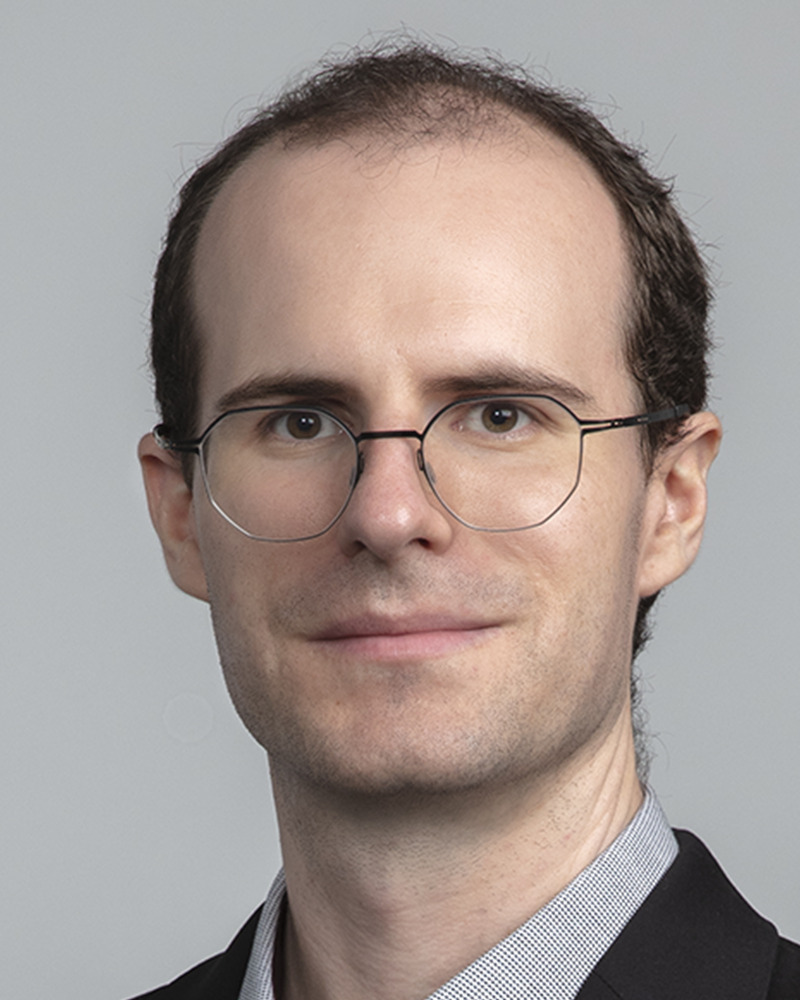
Stephen Dale
Stephen Dale

Assistant Professor, The Institute of Functional Intelligent Materials (I-FIM), and the Department of Materials Science and Engineering, National University of Singapore
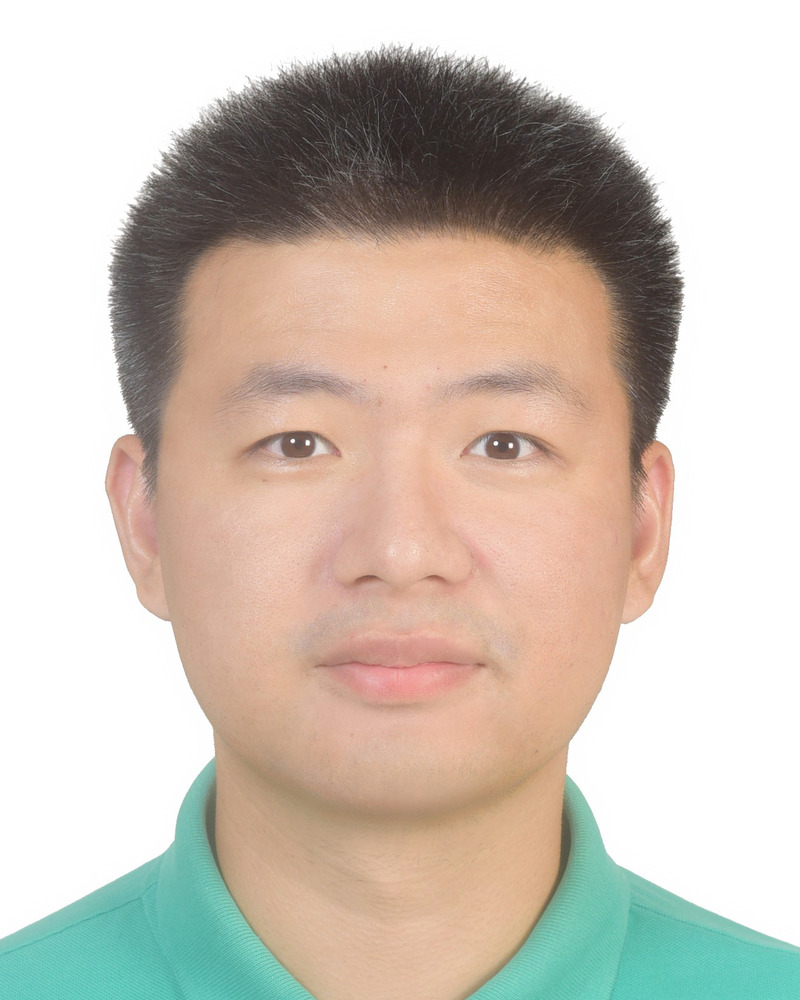
Yi-Cheng Chuang
Yi-Cheng Chuang

Project assistant researcher, National Center for High-performance Computing (NCHC), National Institutes of Applied Research
Gianmarco Mengaldo
Gianmarco Mengaldo

Assistant Professor, National University of Singapore (NUS)
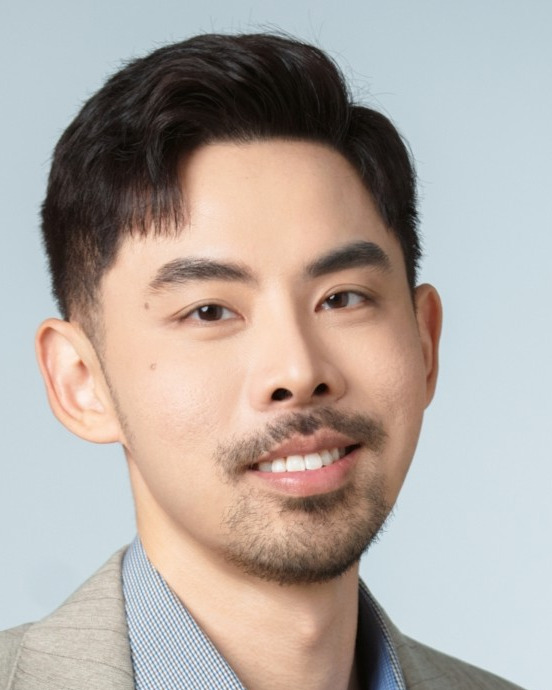
Eddie Chua
Eddie Chua

Senior Scientist; Co-lead, Plasma Physics & Diagnostics, Future Energy Acceleration and Translation (FEAT) Centre, A*STAR
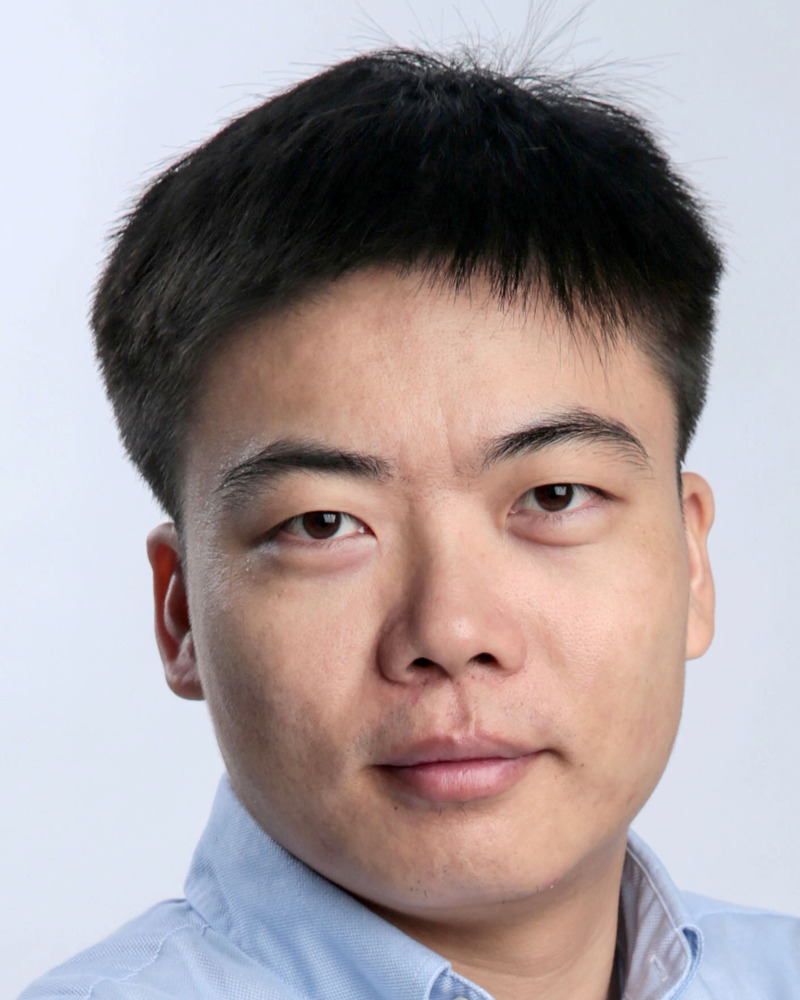
Tong Ping
Tong Ping

Associate Professor, Division of Mathematical Sciences, School of Physical and Mathematical Sciences; Principal Investigator, Earth Observatory of Singapore, Nanyang Technological University, Singapore

Ervin Chia

Ervin Chia

Research Track

Doctoral Candidate, Final Year (Physics), National University of Singapore, Department of Physics & Centre of Bio-imaging Sciences

Token Cartography: principled applications of machine learning techniques to retain scientific interpretability

Unsupervised machine learning, such as clustering and latent reduction, is commonly applied to large-scale scientific data. These methods serve as the bedrock for more complex scientific foundation models. Lacking introspective approaches to access the trained latent spaces, scientific insights that might have been learned cannot be revealed. Furthermore, outlier and extrapolation detection is often not baked into the model, leaving users with outputs that further require confidence assessment. Together, these shortcomings render many existing foundation models unexplainable, significantly limiting scientific elucidation. To address this drawback, we propose a strategy to construct interpretable latent spaces by inducing semantic directions and mapping the space with known chosen scientific descriptors, alongside data regularisation via vector quantisation and feature engineering. This talk will elucidate the strategy, termed Token Cartography, and show an early use case on a massive complex petabyte-scale diffraction imaging dataset, achieved with HPC resources. We believe that this strategy can serve as a conceptual guideline for procedures to maximise extractable information from experimental data but also lay the groundwork for developing explainable scientific foundation models.

About the Speaker

Ervin Chia is a Doctoral candidate of Physics at the National University of Singapore and is part of an international collaboration aimed at understanding anomalous low-temperature properties of the most vital molecule for life on Earth: water. He studies petabyte-scale data collected from fourth-generation light sources, using machine learning methods enabled by HPC resources, to gain insights on the microstructures that form in the brief moments as water crystallises into ice.

Stephen Dale

Stephen Dale

Research Track

Assistant Professor, The Institute of Functional Intelligent Materials (I-FIM), and the Department of Materials Science and Engineering, National University of Singapore

Navigating Chemical Space: Techniques for mapping chemistry for molecular identification and reaction path discovery.

Most modern materials discovery AI techniques typically target the prediction of a final product with desirable properties. There is a growing understanding that more information about the chemical processes that result in materials is required in order to ensure these materials are synthesisable, among other desirable information, such as prediction of observables so we can ensure the correct materials are being produced, and behaving as expected.

This presentation will present two bodies of work.

1. Mass Spectroscopy is a standard technique for the identification of molecules in a laboratory setting, particularly for molecular species previously known, and catalogued into libraries. Identification of unknown molecules requires more extensive work, either through use of further molecular analysis techniques (such as Nuclear Magnetic Resonance or Infrared spectroscopy, among others), or computationally predictive techniques that can generate a synthetic library data entry to match a molecule to before the molecule is ever synthesised. This latter approach is particularly attractive when molecules are expected to be dangerous. Our lab had developed a molecular fragmentation and characterisation workflow for the prediction of Mass Spectrum using Density Functional Theory methods, which will be discussed.

2. Reaction Route Maps are a technique of searching chemical space through potential energy surface (PES) minima, and transition states between these minima, these can be labelled as zeroth, and first order saddle points respectively. We have developed the Molecular high-Index Saddle Dynamics (MHiSD) method which seeks to map chemical space by searching up the PES landscape the 2nd, 3rd and higher order saddle-points, and then back down in a branching tree approach. This provides alternative routes across the PES, and additional information on the structure of the PES, ideal for a broader, and more detailed search of chemical space. This technique is general for any molecular modelling method that can generate gradients and hessian information, and early results will be discussed.

About the Speaker

Stephen Dale is an Assistant Professor in the Department of Materials Science and Engineering, and the Institute of Functional Intelligent Materials at the National University of Singapore. His research focuses on the development of density-functional theory (DFT) and its applications in the discovery and characterisation of new materials. Stephen obtained his PhD from the University of California, Merced in 2017 and BSc from the University of Western Australia in 2012. Before joining NUS, he was a Postdoctoral Research Fellow at Dalhousie University, the Australian National University, the University of Sydney, and Griffith University.

Yi-Cheng Chuang

Yi-Cheng Chuang

Research Track

Project assistant researcher, National Center for High-performance Computing (NCHC), National Institutes of Applied Research

Digital Twin Development for Taiwan's tokamak (FIRST) research: Multi-Scale Plasma Simulation, AI Equilibrium Reconstruction, and 3D Visualization

This talk presents recent progress by our team in developing a digital twin for Formosa Integrated Research Spherical Tokamak (FIRST), Taiwan’s premier nuclear fusion tokamak project. Currently in Phase 1 of development, our research integrates simulation, state reconstruction, and high-fidelity visualisation. We have established a temporal baseline for tokamak plasma evolution and implemented PLaNet [1] to accelerate magnetic equilibrium reconstruction. To capture multi-scale phenomena, we investigate critical plasma instabilities using targeted numerical codes: JOREK [2] for magnetohydrodynamic (MHD) dynamics such as vertical displacement events (VDEs), and GTC [3] for micro-instabilities like ion temperature gradient (ITG) modes. Furthermore, to bridge theoretical simulation with immersive visual analytics, we have rendered 3D JOREK simulation outputs within an NVIDIA Omniverse environment. These milestones establish the computational infrastructure needed for Phase 2 development as we prepare for FIRST’s initial plasma discharge.

[1] Bonotto, Matteo, Domenico Abate, and Leonardo Pigatto. Fusion Engineering and Design 200 (2024): 114193.

[2] M. Hoelzl et al, 2021 Nucl. Fusion 61 065001

[3] Z. Lin, T. S. Hahm, W. W. Lee, W. M. Tang, and R. B. White, Science 281 (5384), 1835-1837 (1998).

About the Speaker

Dr Yi-Cheng Chuang is a researcher at NCHC specialising in magnetic control fusion. He holds a Ph.D. from William & Mary, where he studied neutral particle transport in tokamaks. Today, his work centres on advancing Phase 2 of digital twin development. When he’s not modelling plasma environments, he enjoys hiking local trails and playing board games.

Gianmarco Mengaldo

Gianmarco Mengaldo

Research Track

Assistant Professor, National University of Singapore (NUS)

From Physics to AI and back

In this talk, we explore how we can use pre-existing knowledge (e.g., physics) to improve AI systems, and how we can possibly extract some knowledge from AI systems. On the first topic, we present a novel physics-enhanced deep learning hybrid method, namely CondensNet, for resolving cloud physics in climate models. On the second topic, we present some results on the use of explainable AI for climate applications. We conclude with an overall perspective bridging the two topics.

About the Speaker

Dr Gianmarco Mengaldo is an Assistant Professor in the Department of Mechanical Engineering and the Department of Mathematics - by courtesy - at National University of Singapore. He is also a member of the Joint Advisory Group for the World Meteorological Organization (WMO), a United Nations (UN) agency. He received his BSc and MSc in Aerospace Engineering from Politecnico di Milano (Italy), and his PhD in Aeronautical Engineering from Imperial College London (United Kingdom). After his PhD he undertook various roles both in industry and academia, including at the European Centre for Medium-Range Weather Forecasts (ECMWF), and at the California Institute of Technology (Caltech). Dr Mengaldo adopts an interdisciplinary approach at the intersection of mathematical engineering, computational physics and AI to study complex systems that arise in various branches of applied science. His current research interests involve (i) integrating domain knowledge (e.g., physics) and AI; (ii) explainable AI, both theoretical and applied, among others. Dr Mengaldo’s main application areas include weather and climate, robotics, and finance.

Eddie Chua

Eddie Chua

Research Track

Senior Scientist; Co-lead, Plasma Physics & Diagnostics, Future Energy Acceleration and Translation (FEAT) Centre, A*STAR

Addressing Fusion Energy Challenges through Multiscale Simulation and AI

The development of practical fusion energy presents significant scientific and engineering challenges, from understanding complex plasma behaviour to managing interactions between high-temperature plasmas and material surfaces. Addressing these challenges requires modelling physical processes across vastly different spatial and temporal scales, while also extracting useful insights from data generated by fusion experiments.

This presentation highlights research at A*STAR’s Future Energy Acceleration and Translation (FEAT) Centre, where high-performance computing and artificial intelligence are being applied to advance fusion science and technology. Drawing on research in computational plasma physics and plasma–material interactions, we will illustrate how numerical simulations are being used to understand plasma behaviour and predict material response under fusion conditions. In parallel, machine learning is being applied to extract meaningful information from diagnostic data collected by fusion experiments worldwide. Together, these efforts demonstrate how HPC-enabled simulation and AI can help researchers tackle key scientific and engineering challenges on the path towards practical fusion energy.

About the Speaker

Dr Eddie Chua is Co-lead of Plasma Physics & Diagnostics and a Senior Scientist at A*STAR’s Future Energy Acceleration and Translation (FEAT) Centre. He obtained his Ph.D. in Astrophysics from Harvard University, where his research centred on large-scale cosmological simulations of galaxy formation. His current research focuses on computational plasma physics, including edge and sheath dynamics, plasma–material interactions, and impurity transport. He also leads research in artificial intelligence for fusion diagnostics, integrating physics-based modelling and machine learning to advance predictive capabilities for future fusion energy devices.

Tong Ping

Tong Ping

Research Track

Associate Professor, Division of Mathematical Sciences, School of Physical and Mathematical Sciences; Principal Investigator, Earth Observatory of Singapore, Nanyang Technological University, Singapore

Revealing Earth’s Interior with TomoATT: HPC-Enabled Seismic Imaging and Discovery

Understanding subsurface structures is essential for exploring energy resources, assessing geohazards, and supporting underground development. These structures must be inferred from indirect seismic observations by solving computationally demanding inverse problems. This talk introduces TomoATT, an open-source software package for adjoint-state traveltime tomography, and explains how algorithmic advances and high-performance computing enable detailed three-dimensional seismic imaging. I will highlight our ongoing studies across the Japanese archipelago, California, and Singapore, illustrating how TomoATT supports investigations of Earth’s structure at regional and local scales.

About the Speaker

Tong Ping is an Associate Professor at Nanyang Technological University, Singapore. His research focuses on applied & computational mathematics, computational geophysics, and seismic imaging, with applications to energy exploration, geohazards, and subsurface characterisation. His team develops advanced mathematical methods and open-source software, including TomoATT and SurfATT, for imaging Earth’s interior using seismic observations. By combining adjoint-state methods, high-performance computing, and geophysical data, his work connects computational innovation with practical challenges in geothermal exploration and geotechnical engineering.

Foyer

Beyond the Sessions

Venue

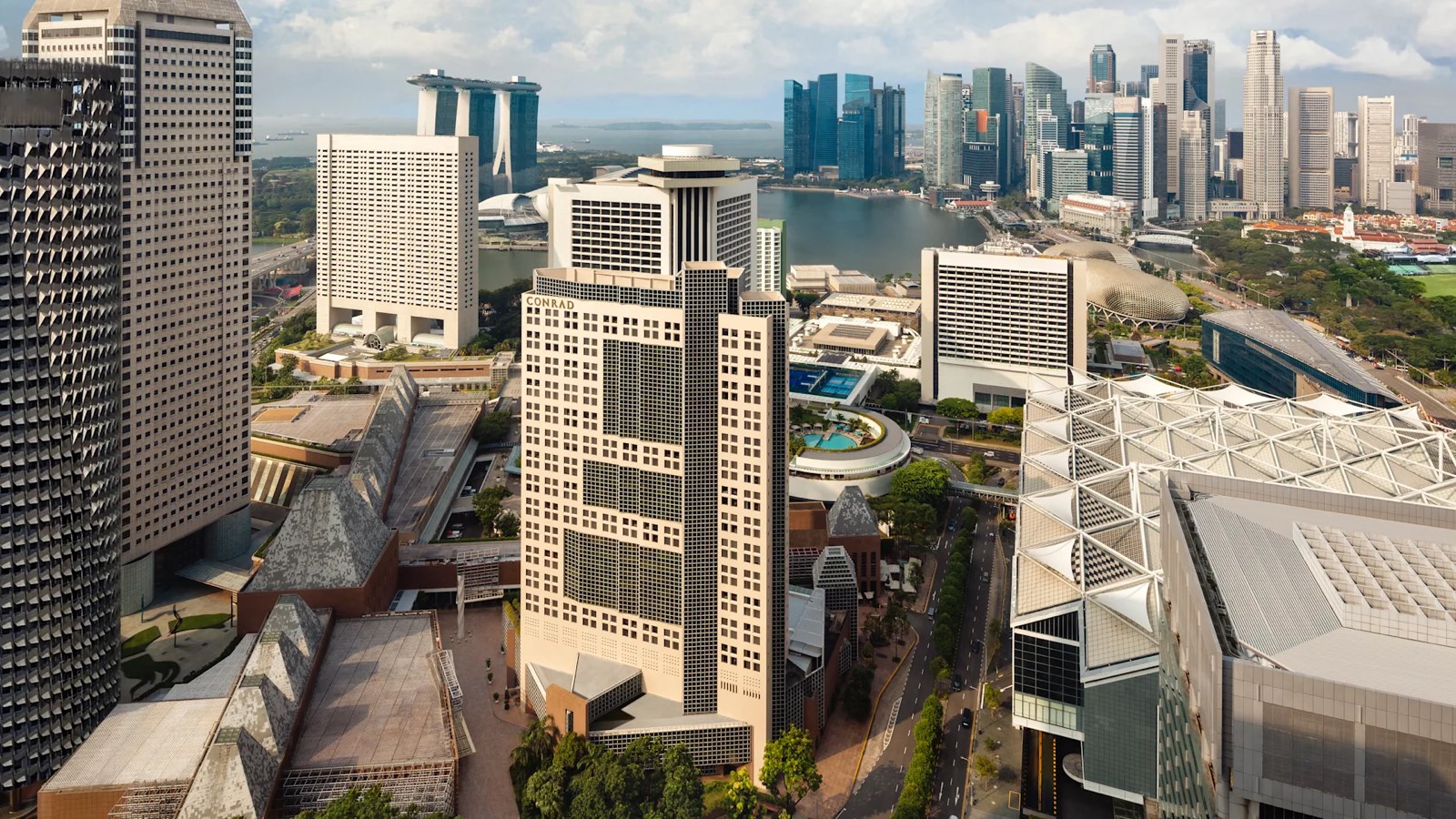
Conrad Singapore Marina Bay

Venue
Grand Ballroom and Ballroom FoyerLevel 2
Address
Two Temasek BoulevardSingapore 038982
By MRT
Promenade MRT StationApproximately 220m, a 3-min walk to the hotel
By bus
Temasek BoulevardStops B02151 (Suntec Convention Centre) and B02159 (Opp. Suntec Convention Centre)Buses in the area: 36, 36B, 70A, 70M, 97, 97e, 106, 107M, 111, 133, 162M, 502, 502A, 518, 518A, 857, 857B, 961M, PBS 531 (pm)
By car
Millenia Singapore basement car parkParking rates
Conrad Singapore Marina Bay
Registration
Thursday, 15 October 2026 · 9.00am - 5.00pm

2026 Singapore HPC Users Symposium Registration

Registration form

2026 Singapore HPC Users Symposium Registration

Every question is required. Your answers are saved only when you reach the last step and submit.

A confirmation email carrying your entry QR code is issued once your registration is received. If you have a question about registering, write to nsccevents@eventive.sg.

Your registration has been received

Thank you for registering for the 2026 Singapore HPC Users Symposium, Thursday, 15 October 2026, 9.00am to 5.00pm.

A confirmation email carrying your entry QR code is sent to the email address you gave. Please check your junk or spam folder if it does not arrive.

If you have a question about your registration, write to nsccevents@eventive.sg and quote the name and email address you registered with.

  1. 1. Your details
  2. 2. Your work
  3. 3. Your symposium day
  4. 4. Consent
Your details
Select a salutation.
Enter your first name.
Enter your last name.
Enter your organisation.
Enter your job title.
Enter a valid email address, for example name@organisation.edu.sg.
Step 1 of 4